By Lorraine Dearnley, MMCP
With Spring still here, we continue to focus on the risk of laminitis (see Understanding Laminitis in Horses Part One). In Part Two, Lorraine Dearnley, MMCP and metabolic therapist, shares her perspective on best practices for feeding horses and how to reduce the risk of a laminitic episode through management changes.
This is the second part of the laminitis blog, where we will look at the correct feeding of a horse and how to try to reduce the risk of a laminitic episode with management changes.
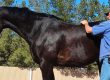
Firstly, are there any clues that your horse could be at risk of laminitis from the external appearance? What do you think about the photos below? Which of these ponies would you think is at risk?
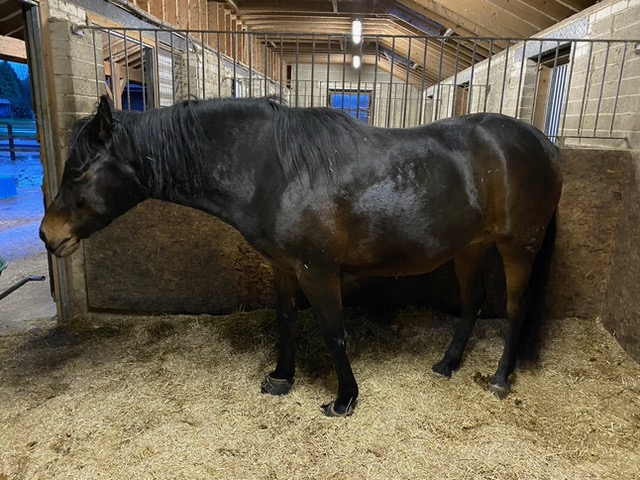
Pony A
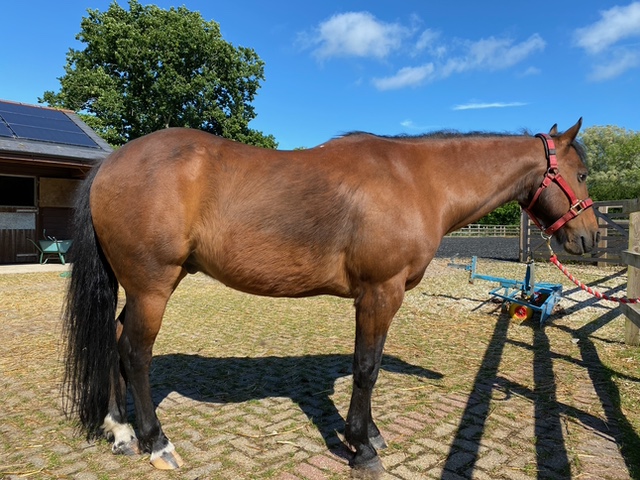
Pony B
The actual answer is that both of them are at risk. The pony in photo A is overweight with fat deposits and excess lymph. Both of these factors would put her at risk, and she is actually the pony with the X-rays in Part One of this blog. This prompted me to study more about healthy feeding and metabolic issues in horses.
The pony in photo B has never been overweight in all of his life and doesn’t really have excess fat or lymph deposits. As there were no outward signs that he was at risk of laminitis, the only way to check was through specific blood tests. With blood tests, his non-fasting insulin came back as greater than 300 µIU/ml when the normal range is ideally below 20 µIU/ml. This was a lot higher than anticipated from the outward signs and would put him at risk of laminitis, especially on Spring grass. These results meant that we had to make some management changes.
Appropriate Feed for Any Horse
In general, when feeding a horse, consider what the horse was designed to eat many thousands of years ago, as the digestive system hasn’t changed since then. Horses all around the world have exactly the same anatomy internally, although they could have variations in the microbiome to suit their natural habitat. The horse was designed to eat mainly forage with a few nuts, seeds, and herbs. This would be eaten over 24 hours, so no large volumes are consumed at once. The horse is well adapted to pick different herbs at different seasons to help support their system when needed, and will often walk long distances to seek what they need.
Forage – Grass
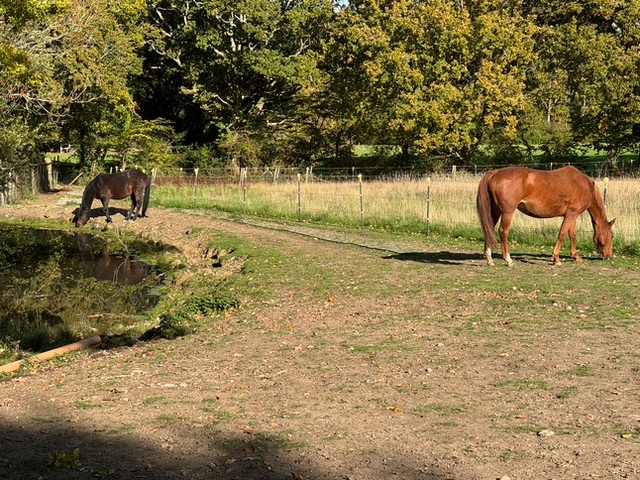
Horses were designed to eat forage for around 18 hours a day as they are “trickle” feeders. Unfortunately, many of the grasses in our fields are high-sugar species, which can also be over-grazed and too short. You don’t want the grass to be eaten shorter than 10cm, as this stresses the grass, thereby leading to an increase in toxins and sugar. What you see above the ground, as in the length of the plant, will be what is below the ground in the length of the root system.
Try to identify what types of grass you have in your fields, which is easier to do once there are seed heads. There are lots of identification apps that can help, or you might be able to ask someone who is knowledgeable in your local area.
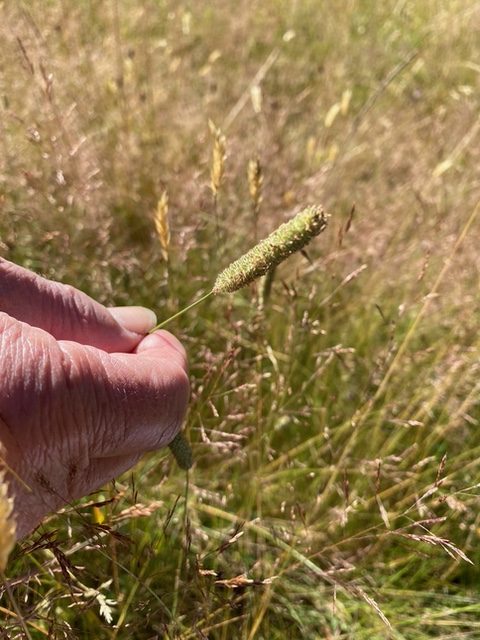
Once you have identified the types of grass in your field, you should be able to look up when that particular species may have the highest sugar content, though this will vary throughout the year and depends on the amount of sunshine that day.
Grass that is very green and leafy (like Spring grass) will contain a lot of pectins. Pectins can be beneficial to the stomach but not the large intestine. The microbes that digest pectins lead to a drop in pH in the large intestine, leading to an acidic environment. The ideal pH of the large intestine is around 7, which is what the cellulose-digesting bacteria need to survive. If the pH drops quickly due to consumption of Spring grass, for example, this can lead to laminitis due to an endotoxin overload. There can also be high sugar content in Spring grass, which will put horses with insulin resistance at risk, too.
Forage – Hay
Horses were designed to eat tough, stalky grass containing a lot of cellulose. Cellulose is the best prebiotic your horse can have, which is why it is good to always offer a late, first-cut hay all year round, as this should be similar to what the horse was designed to eat.
Hay is generally a more suitable forage than haylage or other wrapped forages, as the wrapping process creates a fermented product with a more acidic pH. This fermentation encourages the growth of acid-tolerant bacteria. When consumed, this can alter the delicate balance of the hindgut microbiome, potentially disrupting the population of beneficial microbes that play a vital role in digestion, metabolic stability, and overall health.
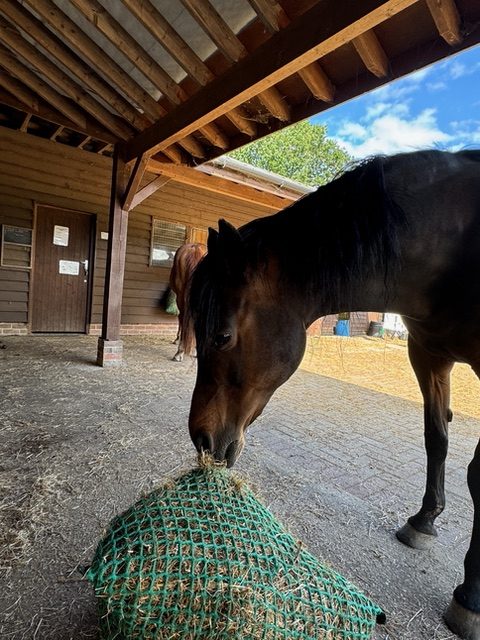
Hay is best fed in small-holed nets if possible, to slow the feeding rate down, so the horses aren’t gorging themselves. Ideally, have constant access to hay but in a slowed-down form, and position the nets in different places to encourage movement.
Bucket Feeds
There are so many feeds on the market that it can be very confusing for the horse owner to know what to feed. Try to stick to the same ethos as above and think about what the horse was designed to eat, remembering that their digestive system is very different from ours.
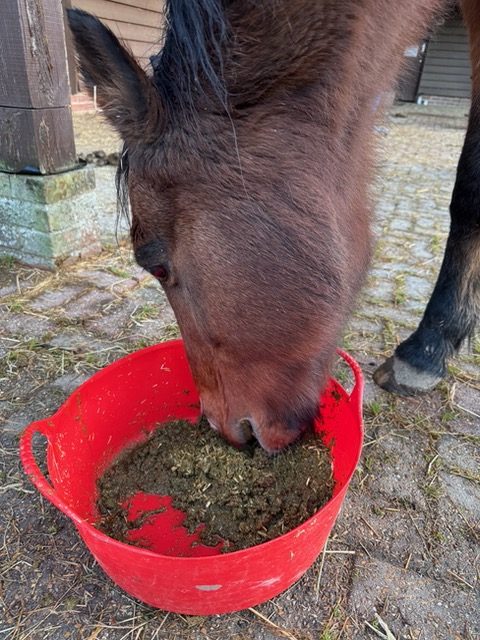
The best feed to give horses is a handful of soaked grass nuts/hay cobs (hay cubes), but make sure they are high fibre (around 30%) and low sugar (less than 10%). You can also feed a handful of Sainfoin pellets, as that is very good at stabilizing the hindgut and contains natural minerals. Sainfoin is a legume, therefore in the same family as alfalfa/lucerne. Many horses don’t tolerate alfalfa so sainfoin is a much better alternative with great overall benefits. Just make sure to feed a small amount (a handful) as it is higher in protein than hay cobs.
Be very careful with supplements, as there might be unsuitable ingredients hidden inside, so check the label carefully. If you are not sure, then consult an expert equine nutritionist.
Management of a Horse that has been Diagnosed/Suspected with Laminitis
Exercise
Once a horse has had a diagnosis of laminitis, or you suspect that they could be at risk of it, they might need slightly different management. One of the most important things for these horses is enough exercise, although this can be crucial for most horses anyway. Exercise can help lower insulin levels, so once your horse is comfortable being exercised, whether that is in-hand or ridden, try to exercise them several times a week building up intensity when advised. You will probably need to take it slowly initially, as your horse may well have had several months off work, so take your time and listen to your horse. If barefoot, your horse might need to wear boots and supportive pads to keep their feet comfortable, but you should get advice from a professional farrier or podiatrist.
Grass or Track System?
You will probably need to keep your horse off grass for at least 6 months, and then they may need to wear a grazing muzzle. Introduce grass really slowly and build up to a few hours a day, but you may well need an area that is grass-free with low sugar/protein hay in slow-feeder nets.
You might need to investigate whether it is possible to set up a grass-free track/paddock paradise system for your horse, thereby creating more movement and with constant access to an ideal hay. A Paddock Paradise track system is a natural horse boarding method that creates a fenced track around the perimeter of a property or pasture to encourage constant movement, mirroring the lifestyle of wild horses. By using narrow pathways to promote walking, the system improves equine health through consistent exercise, improved hoof quality, controlled grazing, and enhanced mental stimulation.
There are plenty of books and online advice on how to set a track up (see recommendations below), and you might be able to visit an established track to get some ideas. Although a track might be initially hard work to set up, you could notice some benefits over time, such as improved hoof/body health, fewer sharp points on the teeth with better overall balance, and more settled as a herd.
Hay for the Laminitic Horse
For the horse that is diagnosed with or suspected to have laminitis, try to make sure that the hay you are feeding is low in sugar and protein. You should be able to send samples off for testing to a laboratory so you know exactly what you are feeding, rather than using guesswork. If you are worried about slightly high sugar levels in the hay, you can soak it with clean, fresh water for a maximum of an hour and make sure it is rinsed well afterwards.
Masterson Method Bodywork
As we mentioned in Part One, once your horse is beyond the acute stage of laminitis and is made as comfortable as possible through horse management practices and corrective shoeing or trimming, ask your vet if it’s OK to offer your horse some gentle bodywork. If they say yes, there are some great Masterson Method techniques you can use with your horse.
You need to take things slowly and not necessarily remove all the tension that has been built up as your horse might still need some compensatory patterns for muscular support, so it’s advisable to go slowly and apply the ‘less is more’ principle.
Also, since they may be foot sore, you probably do not want to lift any legs, which requires that they support themselves more on each standing leg.
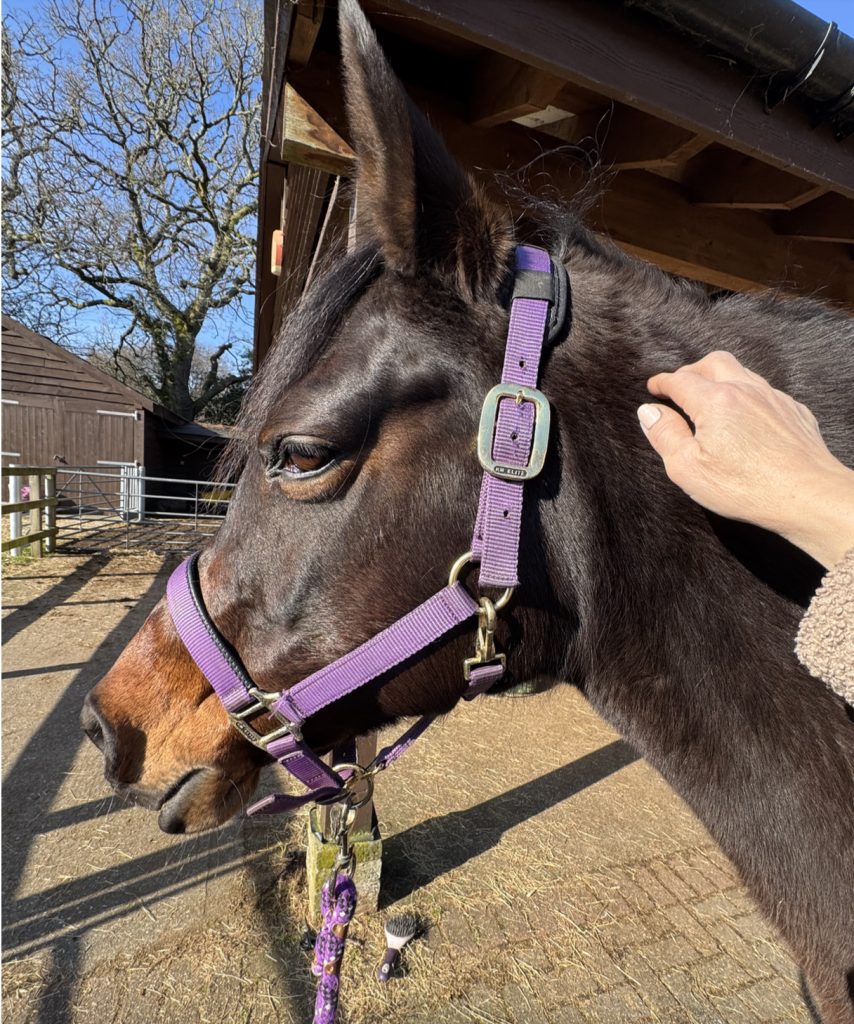
The Bladder Meridian Technique is perfect to start with, as the horse will only release what it can, and you don’t have to pick up any limb.
Every small change you make—whether in feeding, management, or awareness—can have a lasting impact on your horse’s health.
If you’re curious to learn more about working with your horse in a way that supports relaxation, balance, and connection, our courses offer a space to explore that hands-on, guided by experienced instructors and the horses themselves.
Learn more about the Beyond Horse Massage Weekend Course offered worldwide.
Professional Hoofcare
Make sure you work with a good, qualified farrier or equine podiatrist. They should be able to support you throughout the journey, advising you on the frequency of trim, whether hoof boots and pads would be appropriate, or whether other supportive products might help more. They will be able to support you alongside other professionals and answer any questions you may have about hoof care.
Overall Health
- Keep an eye on your horse’s bodyweight and use a weight tape or body scoring regularly.
- The hooves can also show signs when the body is struggling, so look out for event lines, thin soles, sensitivity, etc.
- If your horse has had previously high resting insulin levels in their blood, test again before Spring, so you know what you are dealing with and whether they are safe to eat any grass. If in doubt, keep them off the grass and stick to a hay-only diet.
- Always make sure that you are using appropriate feed and consult a qualified nutritionalist for advice. It may be that you need to tweak the diet every so often, and you can also look for herbal supplements to support your horse at various times of the year.
- Keep an eye on tension patterns in the body and any unusual patterns appearing, as that might give you a clue as to internal changes. A Masterson Method Certified Practitioner should be able to advise you on whether some patterns don’t fit with your horse if they see it regularly.
Conclusion
Laminitis is a serious and often devastating condition, but it rarely develops without warning. By learning to recognise the early signs, understanding the underlying causes, and providing appropriate feeding and management, you can play a vital role in protecting your horse’s health and wellbeing.
My own journey with laminitis highlighted how closely connected the horse’s feet, metabolism, management, and whole-body comfort truly are. It reinforced the importance of looking at the horse as a whole, listening to the subtle signals they provide, and making informed decisions to support their natural physiology.
While laminitis can be a frightening diagnosis, it does not always have to define your horse’s future. With early intervention, careful management, and the support of knowledgeable professionals, many horses can recover, remain comfortable, and continue to live full and happy lives. Most importantly, greater awareness and proactive care may help prevent other horses and ponies from experiencing the pain of laminitis in the first place.
Additional Resources
There is a lot of information, both in book form and online, about laminitis, so it can be hard to know what to read. Here is a list of some websites and books that might be useful:
- Sanoanimal website for nutrition and a variety of metabolic conditions
- The Laminitis Site
- The Essential Hoof Book by Susan Kauffmann & Christina Cline
- Care and Rehabilitation of the Equine Foot by Pete Ramey (soft cover version or hard cover version)
- Paddock Paradise: A Guide to Natural Horse Boarding by Jamie Jackson
Lorraine Dearnley, MMCP has always loved horses but it was one of her ponies in particular that took her on a journey to become an MMCP. She qualified in 2017 and has continued her learning journey since then by learning more about metabolic/hindgut health and how to help the horse as a whole. She lives in the New Forest in the UK and enjoys riding out in the beautiful countryside on her New Forest pony. To find out more about Lorraine, visit her bio link above or her website, https://www.coppermead.co.uk.